Edition No. 01March 2025Complimentary edition

What guests are
actually buying now

The premium accommodation market is undergoing a genuine values shift. Understanding what is driving it, and where it is heading, is one of the most commercially consequential things an independent operator can do right now.


In this edition

Premium accommodation landscape

Yield without discounting:
the rate integrity argument

The reflex to discount is understandable and almost always wrong. Independent operators who have built genuine rate integrity are outperforming their compsets on RevPAR in ways the aggregate data does not yet fully reflect.


There is a pattern emerging in the performance data of the better-run independent properties that deserves more attention than it is getting. Properties that have resisted the pressure to discount during soft periods, particularly during post-peak shoulder seasons, are showing stronger year-on-year RevPAR growth than comparable properties that moved rates aggressively in both directions.

The mechanism is not complicated. Discounting trains guests. Once a room category has been available at a significantly reduced rate, a proportion of future guests will wait for that rate to return, or simply hold the previous discounted rate as the reference point against which your rack rate is judged. Rate integrity, once lost, is genuinely difficult to rebuild.

+18%Average direct booking premium over OTA rates for independent properties with strong brand clarity

The properties resisting this pattern share certain characteristics. They have invested in brand clarity to the point where guests understand what they are paying for. They have built direct booking channels with genuine incentives beyond price. They have created enough distinctiveness in the physical product that the comparison to a discount competitor feels category-inappropriate to their target guest.
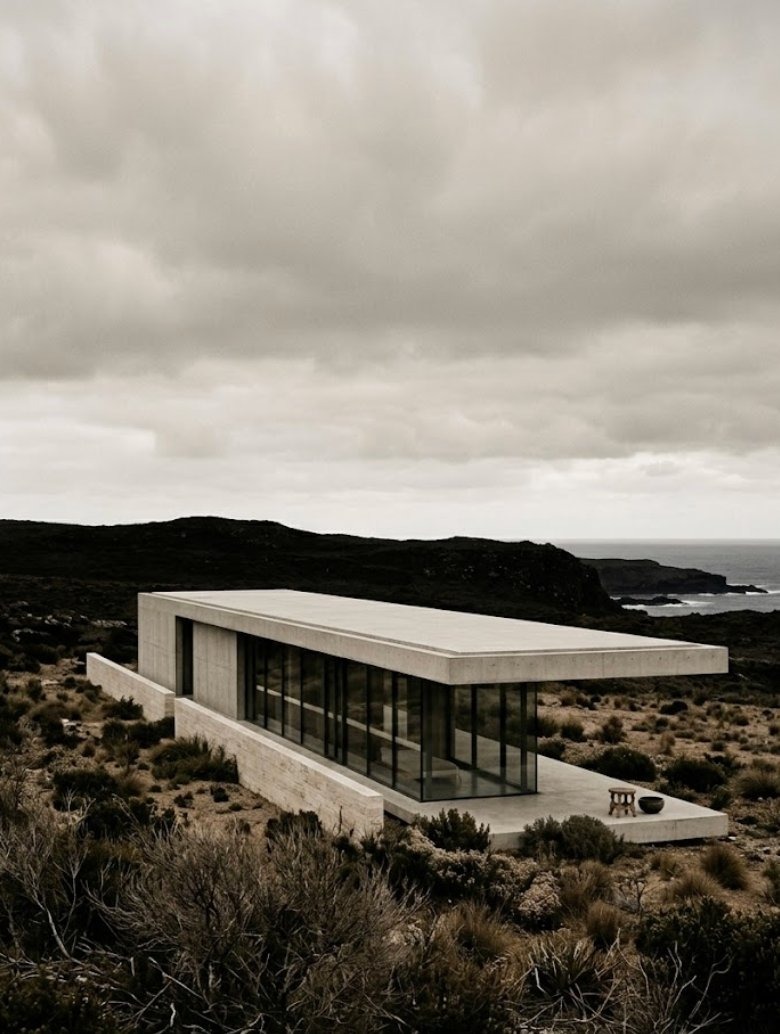
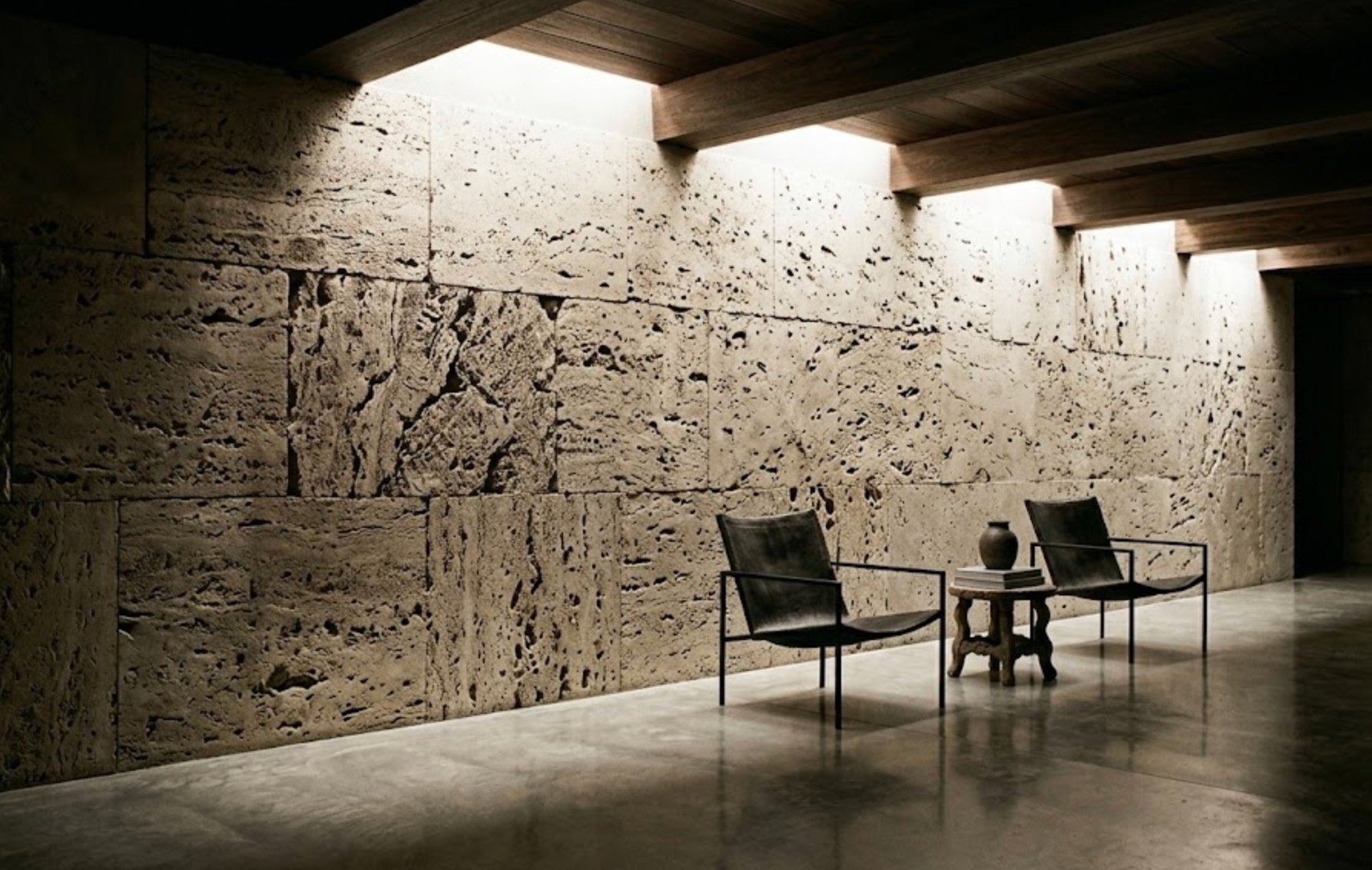
Premium property guest experience
The physical product must carry the rate argument. Every design decision either builds or erodes it.
"The operators who protect their rate are not being stubborn. They are protecting the perception that makes their rate defensible."

The implication for independent operators is direct: the commercial and the creative are not separable. Every design decision, every service ritual, every piece of communication either builds or erodes the argument for why your rate is what it is. This is one of the structural advantages of being independent. You can build something coherent enough to make the argument. A chain property cannot.

In the design section of this edition, we look at the spatial decisions most directly supporting rate integrity arguments at the properties performing best on this metric. The two sections are deliberately connected. That is the point.
Continue reading

This is a complimentary edition. Subscribers receive the complete issue including all four pillars, the Moves section, full archive access,.

Subscribe to Sens

The return of permanence:
why guests are rejecting the ephemeral

A decade of Instagram-optimised hospitality has produced a guest who is increasingly indifferent to the novelty it promised. The properties growing fastest are offering something different: the quiet confidence of things built to last.


Premium property guest experience
The properties generating the most sustained word-of-mouth share a quality that is genuinely difficult to photograph: permanence.

The hospitality design conversation of the last decade was dominated by the logic of the shareable moment. The immersive wall. The sculptural centrepiece. The arresting colour story that reads at arm's length on a phone screen. Properties competed on the strength of their photography rather than their spatial experience, and the market rewarded them for it.

Something is shifting. The properties generating the most sustained word-of-mouth right now share a quality that is genuinely difficult to photograph: a sense of permanence. Of materials chosen for how they will age rather than how they will look when new. Of spaces that reward slower attention. Of architecture that situates itself in its landscape rather than performing against it.

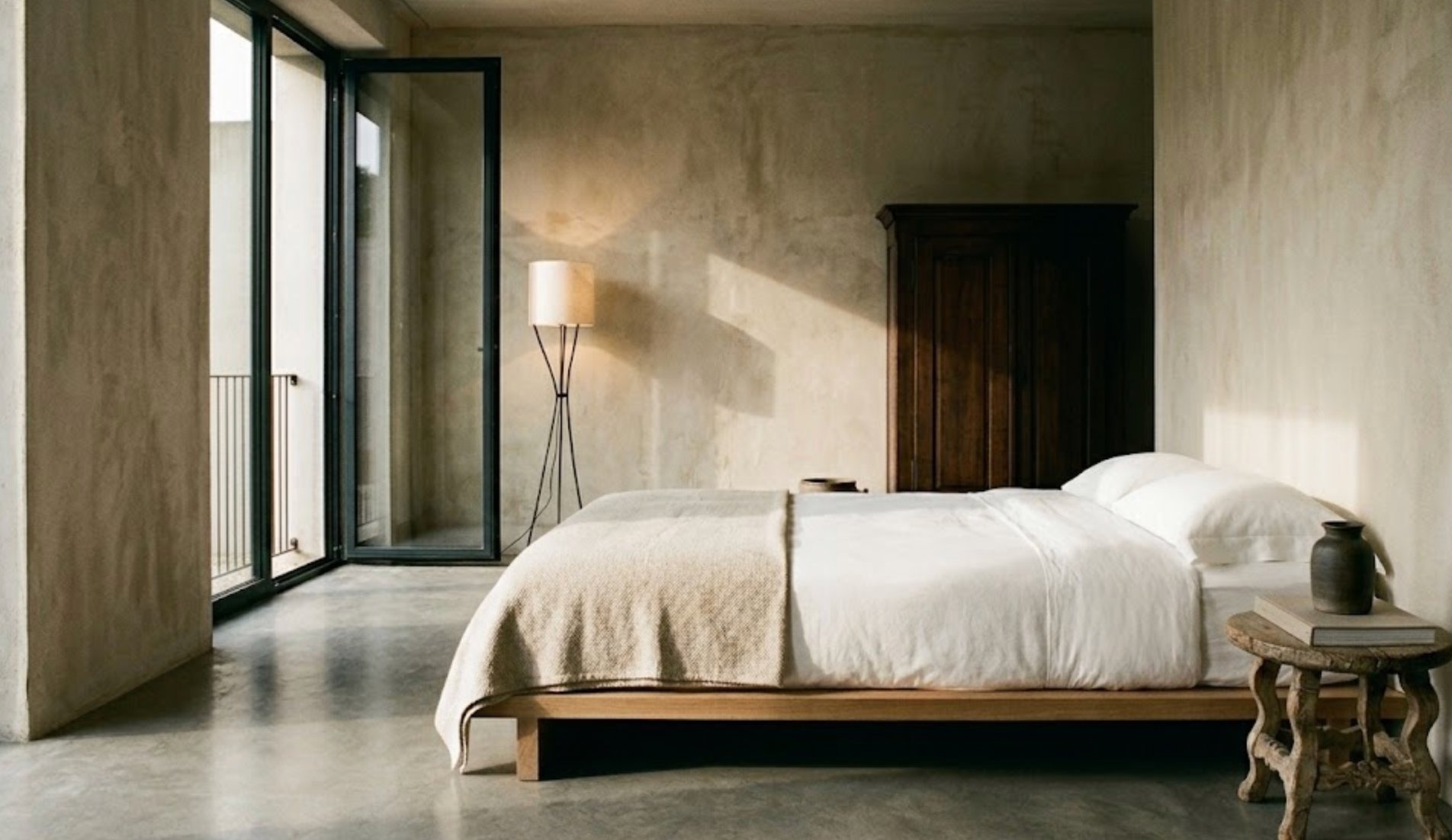
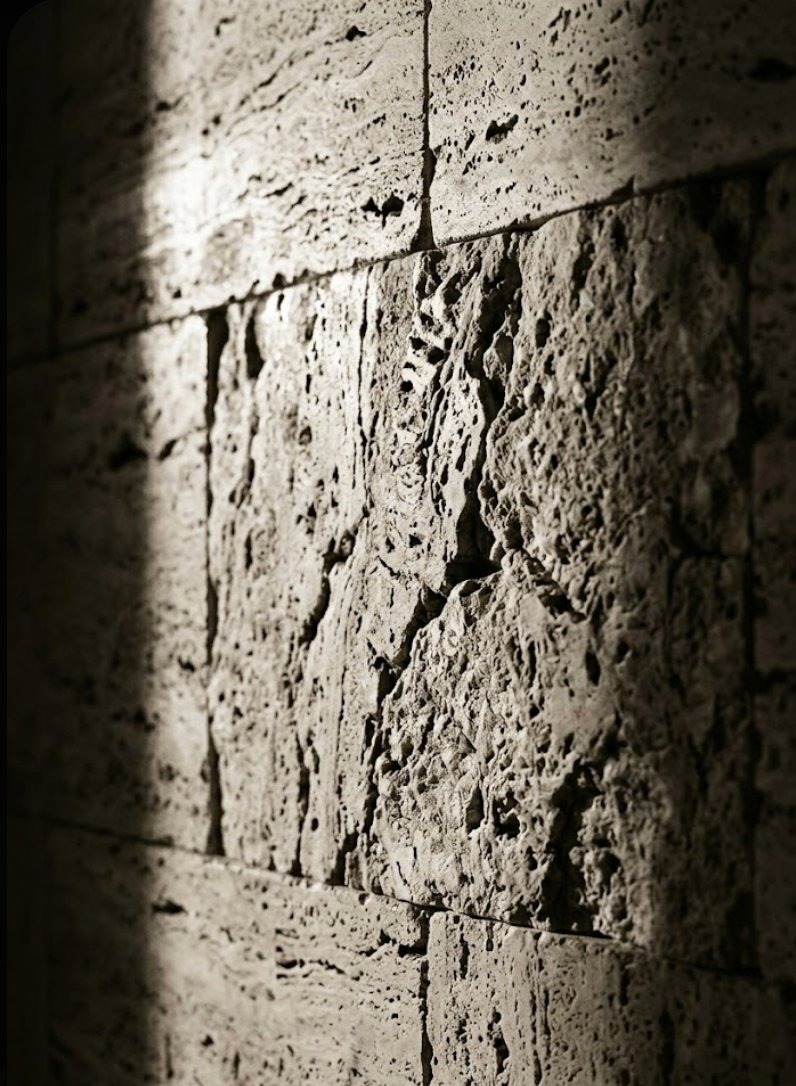
Material detail, stone, timber, aged surface
Materials chosen to age honestly.
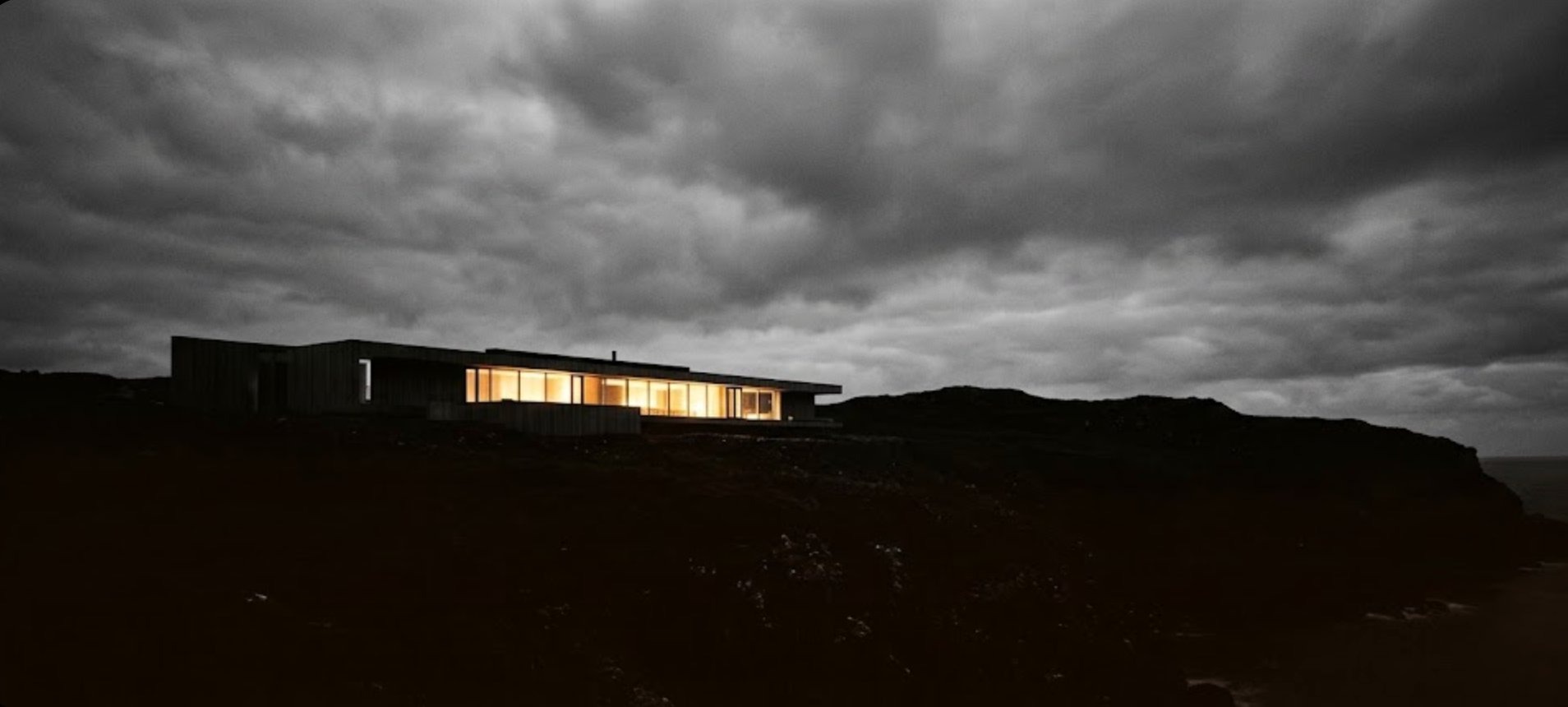
Architecture in landscape context
Architecture that situates, not performs.

This is not a style trend. It is a values signal from a guest cohort that has become fluent enough in hospitality aesthetics to be bored by its own previous preferences. They have stayed in the striking room. They have taken the photograph. They are now looking for something that will feel true on day three of a stay, not just on check-in.

What the experience economy
got wrong

The experience economy thesis told us that guests would pay a premium for doing over having. It was right. But the version of it that hospitality built was thinner than the theory promised, and guests have noticed.


Pine and Gilmore's original formulation was precise in a way that the industry's application of it was not. The experience economy was not about novelty. It was about transformation. The argument was that the most valuable economic offerings would be those that left the customer different in some way: more capable, more connected, more themselves.

What hospitality built instead was the activity economy. Cooking classes. Guided walks. Curated experiences. Add-ons designed to drive ancillary revenue and fill the itinerary. Some of these are genuinely wonderful. Most of them are not transformation. They are entertainment, and a guest who has been entertained many times is not the same as a guest who has been transformed even once.

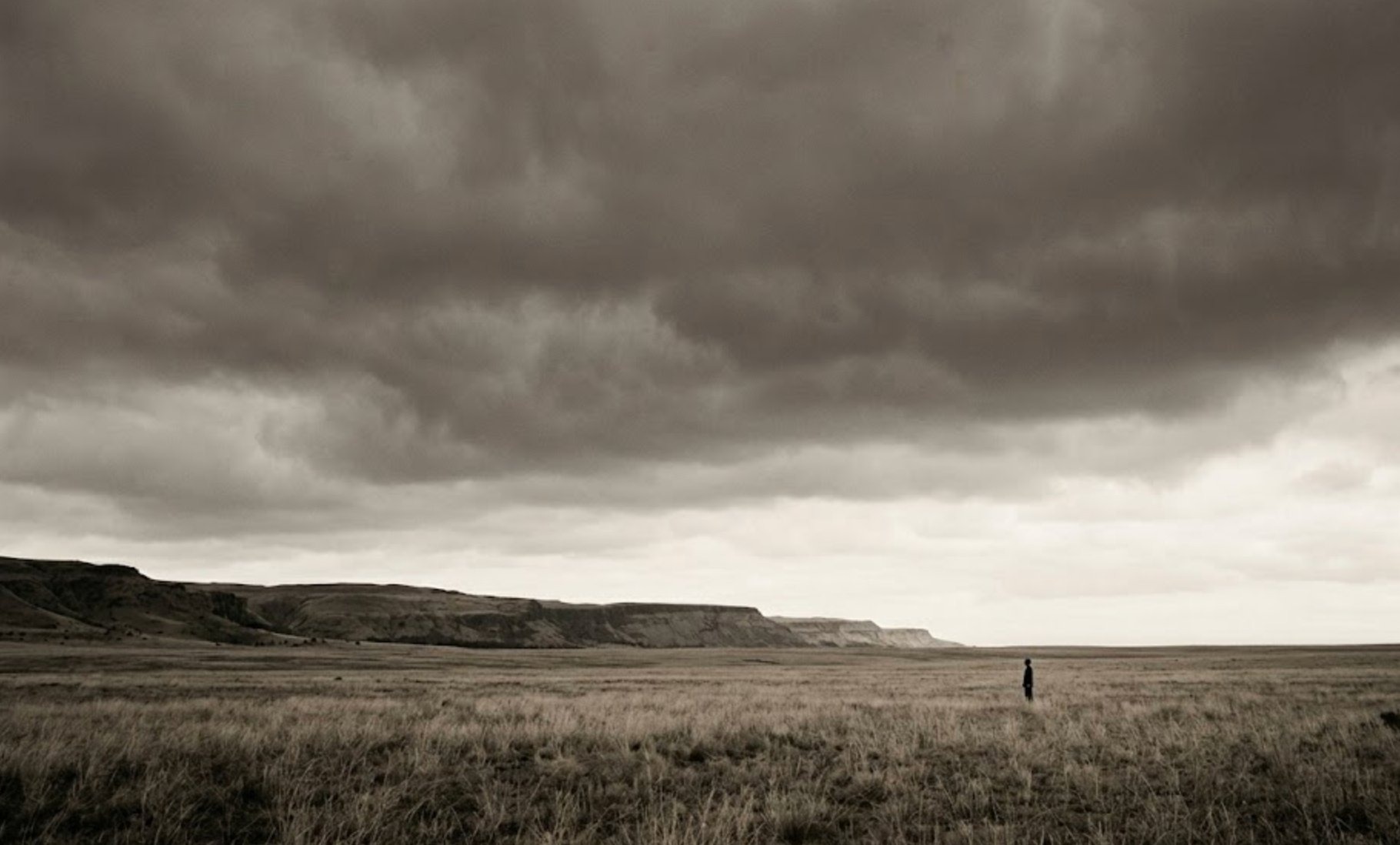
Guest in landscape, solitude, unhurried time
The conditions that allow transformation: solitude, landscape, unhurried time, sensory depth.

The shift we are tracking in the consumer intelligence is a renewed appetite for the conditions that allow transformation to occur: solitude, landscape, unhurried time, sensory depth, the feeling of being in a place that has its own logic and rewards your attention to it. The operators building for this guest are not adding more. They are, in several cases, deliberately subtracting.

Continue reading

The complete archive.
One edition per month.
Built for operators.